
05 Engineering
Finger Contracture Splint
Two approaches to a more adjustable finger splint, informed by clinician interviews and bench testing.
- Context
- DesignXHealth
- My role
- Project Co-Lead
- Timeline
- September–December 2024
Build notes
How I made it.
- Clinician interviews
- Rapid prototyping
- Bench testing
- Human factors
Start with fit and comfort
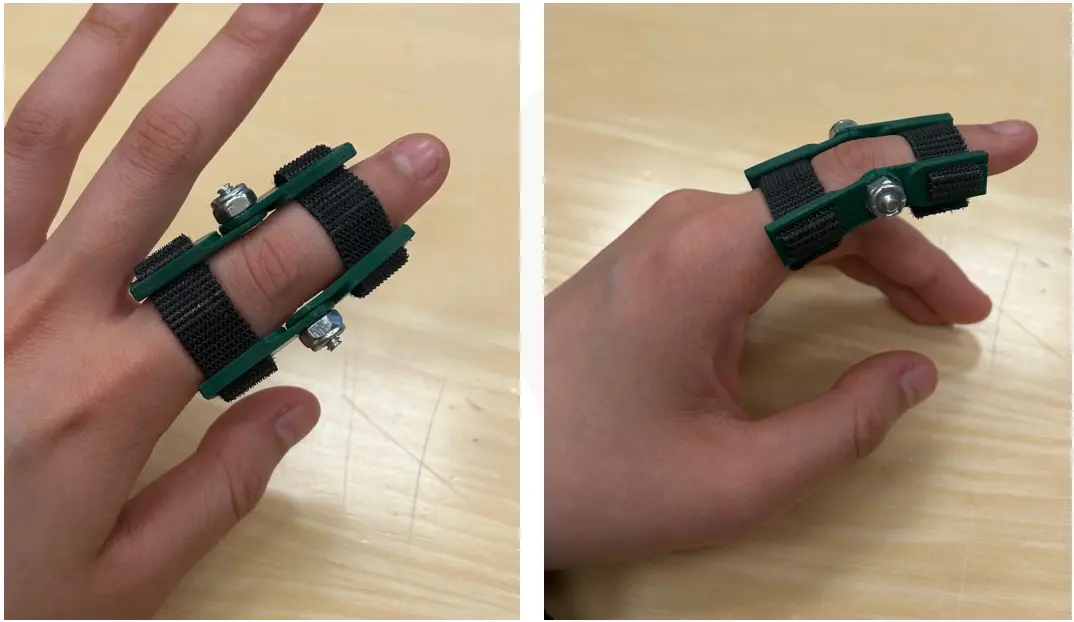
I co-led a DesignXHealth project with Rhode Island Hospital on splints for the finger’s middle joint. Clinicians helped us prioritize fit, comfort, control of tension, and ease of putting the splint on. The team’s 2025–26 design review documented two prototype directions.
Compare elastic straps and anchors
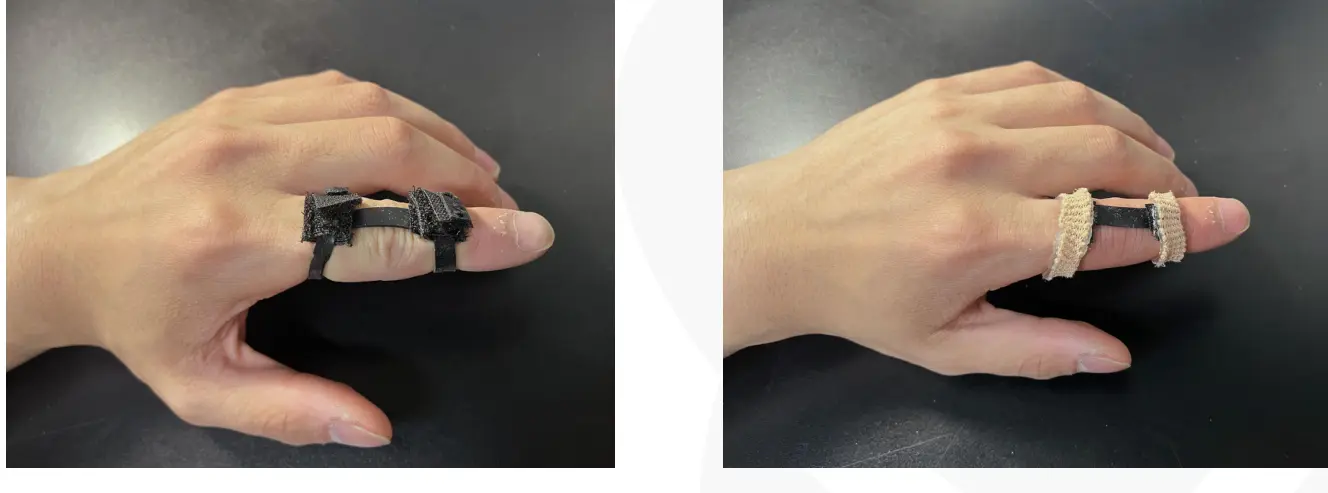
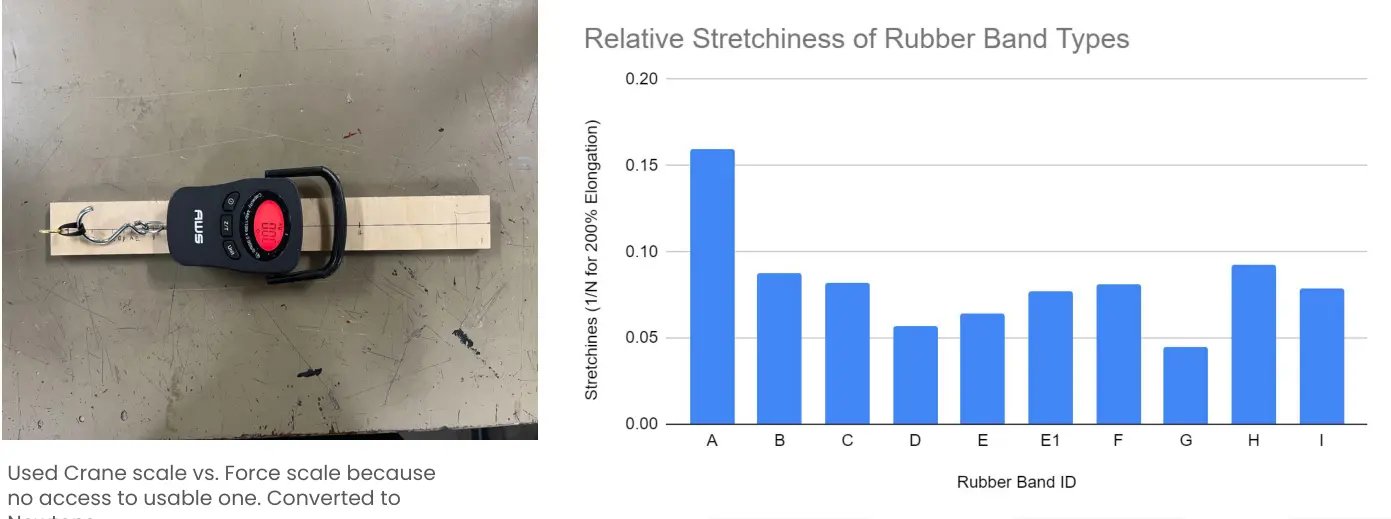
The dynamic concept used an elastic extensor strap guided by a loop and held by finger anchors. The team compared sewn rubber, silicone sleeves, and double-sided hook-and-loop anchors. To compare the straps, the team measured the force needed to reach the same elongation for nine rubber samples and converted the readings to newtons.
Try a mechanical adjustment
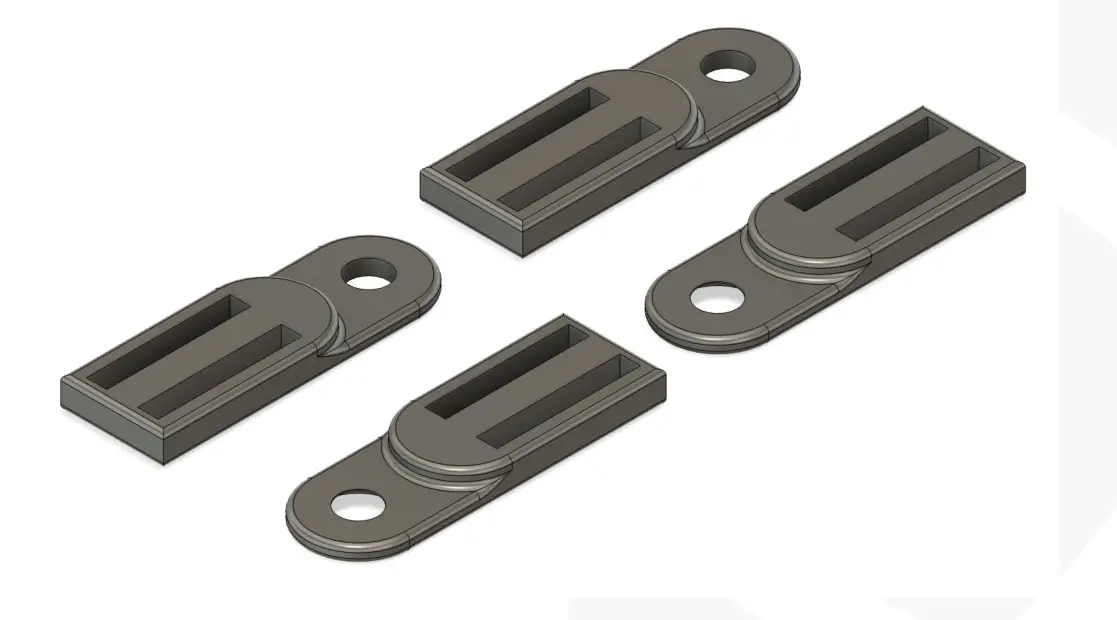
The bolt concept used two side pieces and a screw-like joint to adjust the angle and hold a setting. The next iteration considered softer skin-contact materials, a more secure frame, and easier bolt access. The review proposed another clinician check and patient testing; it did not establish clinical outcomes.
Up next / 06
Hugs Included